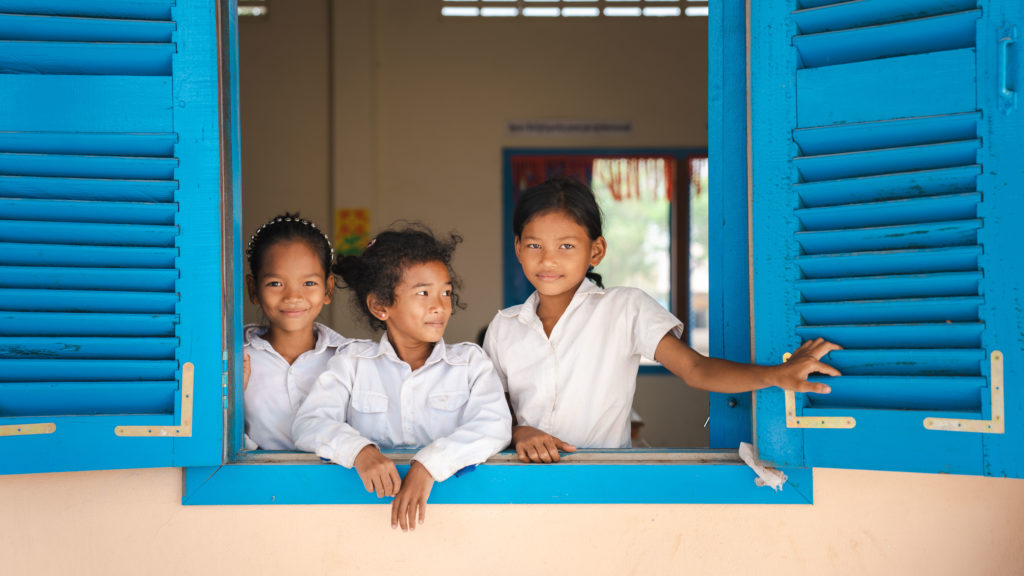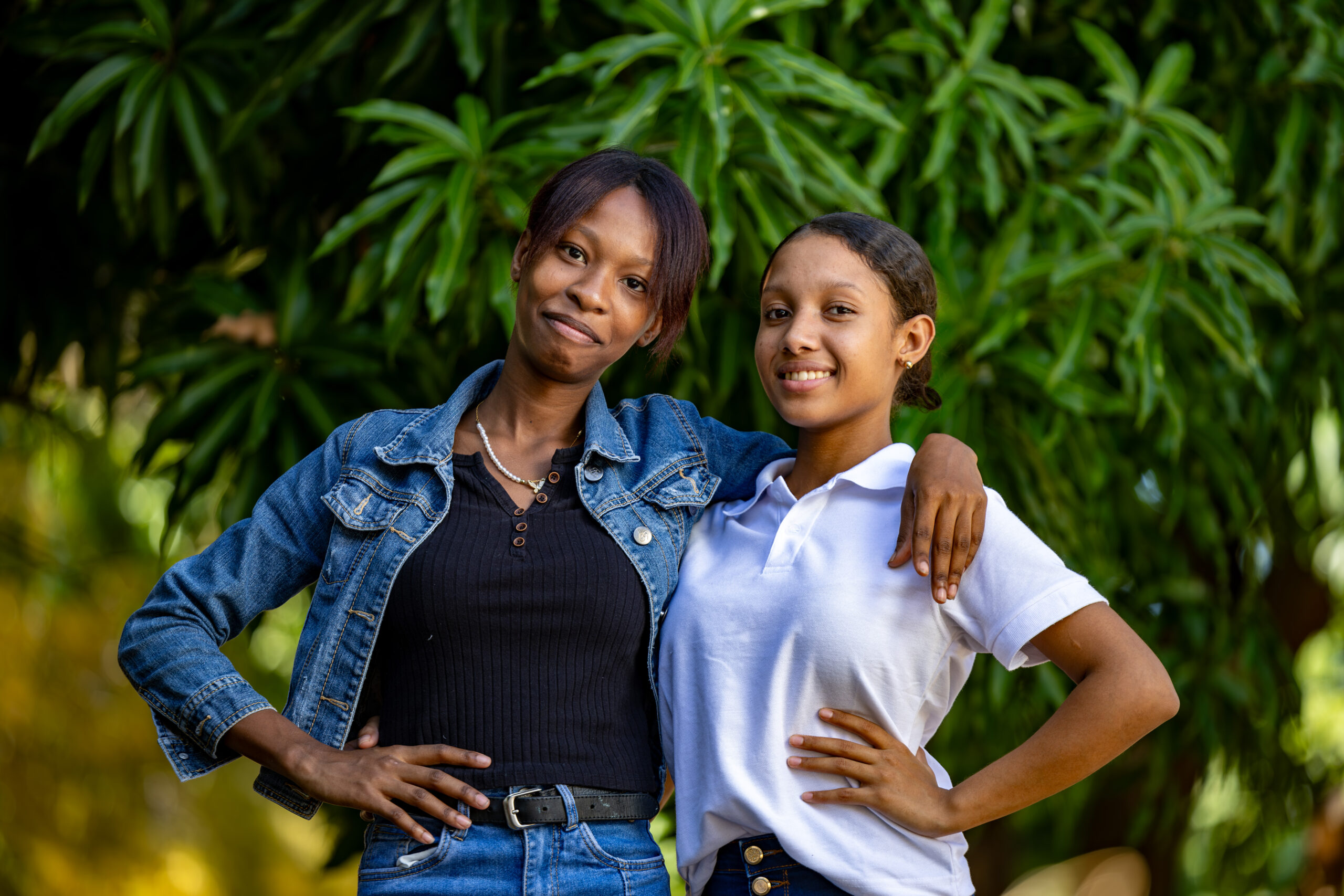
For 18 years, Plan International followed the lives of 142 girls from birth to adulthood across nine countries.
This groundbreaking research — the first and only qualitative study of its kind — documents how girls’ lives have changed over nearly two decades, and what still stands in the way of equality.
The findings are both hopeful and urgent.
Girls today have more opportunities than the generation before them.
Nearly two-thirds completed or are completing secondary education
Fewer girls were married as children compared to their mothers
9% progressed to university — far beyond the educational access their mothers had
Girls are aspiring to careers in medicine, law, engineering, teaching, business and public service
The study shows significant intergenerational change. Education levels have risen. Legal protections against child marriage have strengthened. Girls are dreaming bigger.
But progress is fragile.
Despite these gains, the study reveals stark realities.
Adolescence emerges as a critical tipping point — when freedoms shrink, expectations rise, and inequalities intensify.
Without sustained investment, the next wave of global challenges could undo decades of progress.
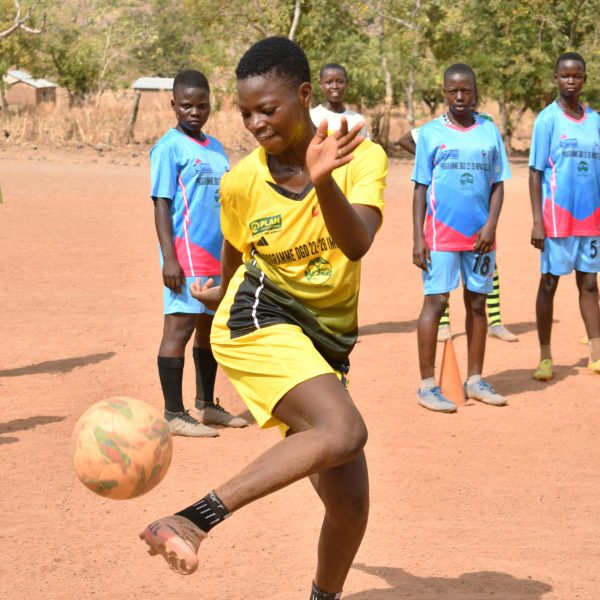
The world is facing overlapping crises: climate shocks, conflict, economic pressure and shrinking civic space.
When resources are scarce, girls are often the first to lose access to education, healthcare and safety.
This 18-year study demonstrates something powerful: Change is possible — but it requires sustained commitment.
If we fail to act now, we risk failing an entire generation of girls.
Throughout the study, girls consistently challenged the norms placed on them.
Girls are not passive recipients of change. They are agents of change.
But they cannot do it alone.
Governments, NGOs and communities must:
Protect and fund education for girls
Invest in adolescent health and sexual and reproductive rights
Address gender-based violence as a core priority
Tackle the unequal burden of unpaid care work
Ensure climate responses are gender-responsive
Place girls at the centre of decision-making
Progress for girls is one of the clearest indicators of global development.
Now is not the time to step back.